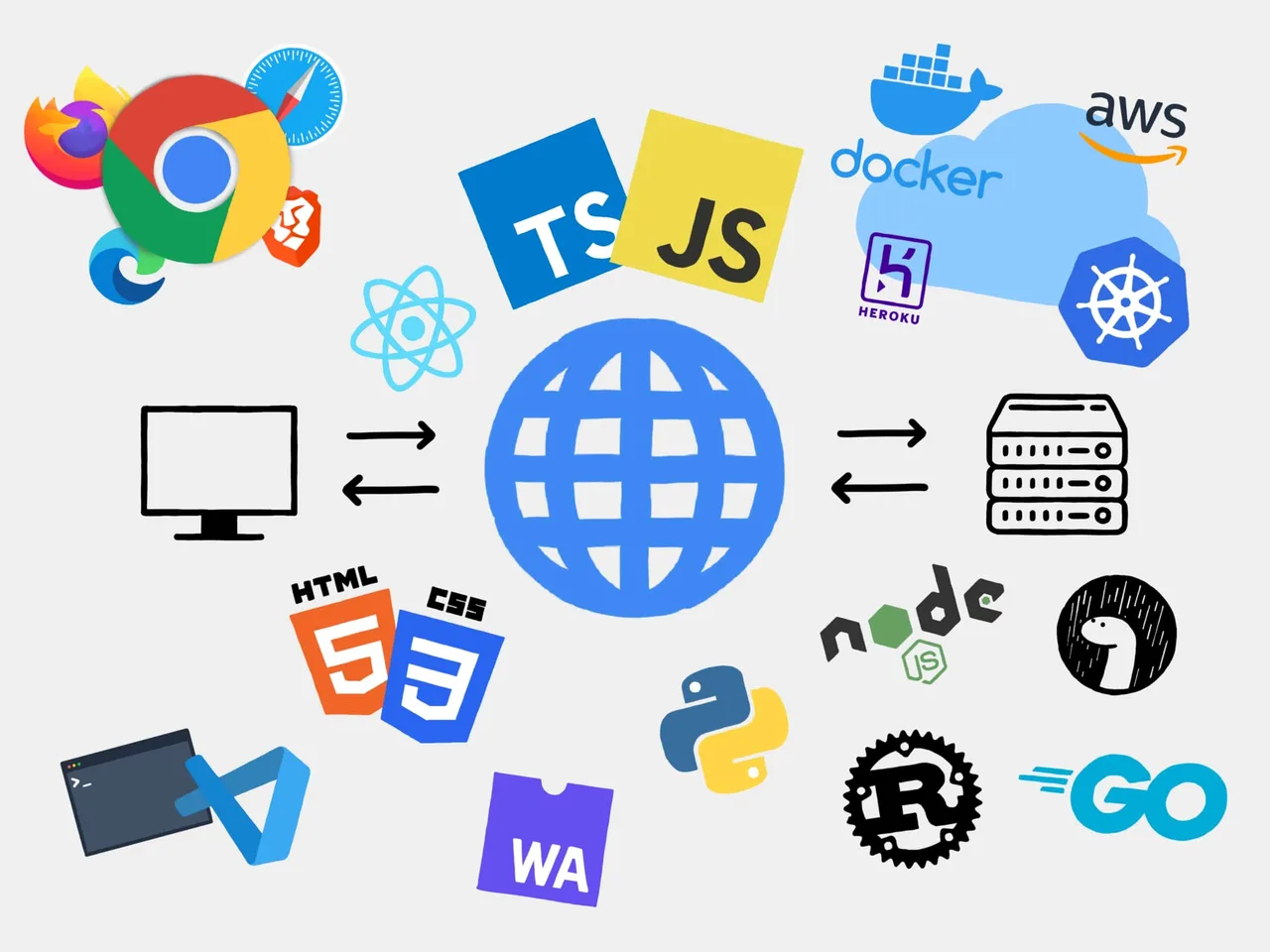
How I chose my tech stack and why 🛠️
Choosing a tech stack is one of the most important decisions when starting any web development project. Throughout my journey as a developer, I have experimented with various tools and languages, but I have finally found a stack that combines productivity, scalability, and ease of use: Spring Boot, MySQL, Angular, and TailwindCSS. In this post, I want to share the reasons behind my choice and why I believe this stack is an excellent option.
Backend: Spring Boot
Spring Boot is the cornerstone of my backend. This Java-based technology offers a robust and flexible framework for building modern applications. Here are the main reasons why I chose it:
Productivity: Spring Boot eliminates much of the tedious configuration associated with traditional Java projects thanks to its auto-configuration features. This allows me to focus on business logic without worrying about complex setup tasks.
Scalability: Its modular architecture gives me confidence that my application can grow and handle a high volume of users without sacrificing performance.
Community and Support: Spring Boot has a very active community and exceptional documentation. This means that if I encounter any issues, there is likely already a solution or resource available.
Integration with Enterprise Tools: It is ideal for applications that need to connect to enterprise systems, handle complex transactions, or integrate REST services efficiently.
Database: MySQL
For the data layer, I chose MySQL, one of the most popular relational databases in the world. The reasons for this choice include:
Reliability: MySQL is known for being stable and reliable, even in high-demand production environments.
Ease of Use: Its syntax is simple and familiar, enabling me to manage and query data efficiently.
Compatibility with Spring Boot: Spring Data JPA makes it easy to integrate MySQL with Spring Boot. This allows me to interact with the database using an object-based API, saving time and effort.
Documentation and Community: Like Spring Boot, MySQL has extensive documentation and an active community, ensuring that any questions can be resolved quickly.
Frontend: Angular
On the frontend side, my choice was Angular, the development framework maintained by Google. Here’s why Angular is my go-to tool:
Robust Structure: Angular provides a component-based approach and strong typing with TypeScript, which helps keep code organized and scalable.
Support for Complex Applications: Angular is perfect for building rich, interactive user interfaces. Its modularity system enables me to manage large projects without losing control.
Two-Way Data Binding: The automatic synchronization between model and view makes interactions smooth and reduces the amount of required code.
Ecosystem and Tools: Angular CLI, its command-line interface tool, speeds up development with component generation, services, and built-in testing support.
Styling: TailwindCSS
For styling, I chose TailwindCSS, a utility-first framework that allows me to design clean and modern interfaces quickly. Here are the reasons behind this choice:
Utility-Based Design: Instead of writing CSS from scratch, Tailwind provides predefined classes that can be combined to achieve any design effortlessly.
Development Speed: By using utility classes, I can test and adjust styles directly in the HTML code without switching between CSS files.
Visual Consistency: Tailwind includes a predefined design system with typography, colors, and spacing, ensuring the interface remains consistent.
Flexibility: While it comes with default values, everything can be customized to fit the project’s needs.
Final thoughts
Choosing a tech stack is no trivial decision. It requires considering the project’s needs, community support, learning curve, and market trends. For me, this stack has been a solid choice, and I hope this post has inspired or provided you with ideas for making your own tech decisions. Thanks for reading!