My journey from beginner to full-stack developer 👨💻
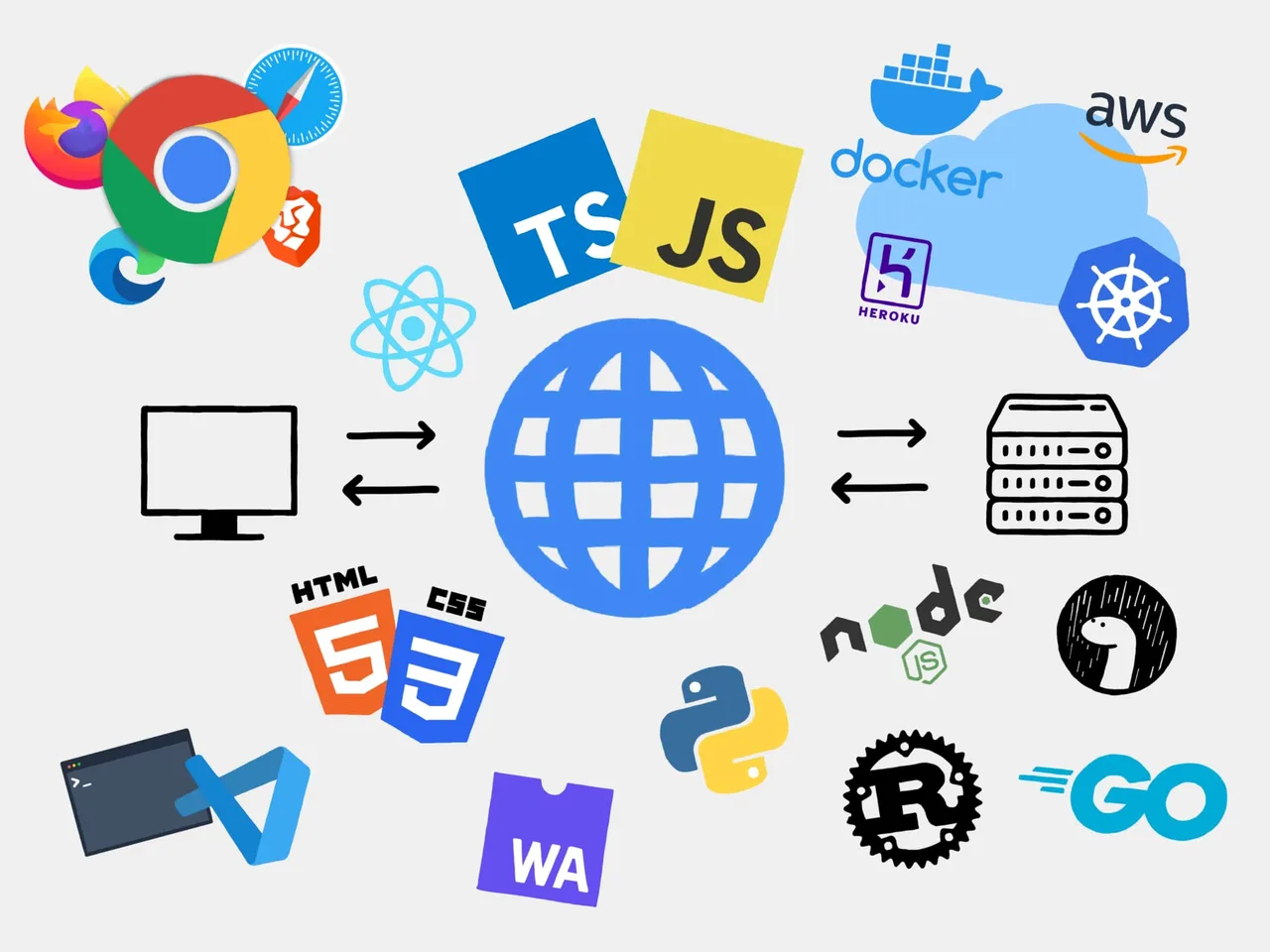
Every developer’s journey is unique, shaped by the challenges faced, the tools learned, and the projects built. Mine began in a structured environment: an Advanced Technical Degree in Web Application Development. Over two years, I transitioned from a complete beginner to a full-stack developer, learning the foundational principles and advanced technologies that now form the backbone of my career. Here is my story.
Year 1: Building the Foundations
The first year of my program was all about mastering the basics. This was the stage where I learned what development really entails and began building the foundation for my future skills.
Programming in Java
I started with Java, which introduced me to core programming concepts like object-oriented programming, data structures, and algorithms. Java’s versatility and widespread use made it a great starting point, and it also prepared me for backend development down the line.
Databases and SQL
Understanding how data is stored, managed, and queried was another key milestone. I dove into SQL and database design, learning how to create schemas, write complex queries, and optimize data storage—skills that are essential for any developer.
HTML and CSS
Web development began with HTML and CSS, the building blocks of any website. I explored how to structure content and style it effectively, laying the groundwork for more complex frontend frameworks I’d encounter later.
Software Lifecycle
I also studied the software development lifecycle, gaining insight into how professional software projects are planned, executed, and maintained. This knowledge was invaluable for understanding the big picture of how applications come to life.
Systems and Docker
One of the most exciting parts of the first year was learning about systems administration and tools like Docker. Containerization introduced me to modern development workflows, enabling me to set up isolated environments and simplify deployments. This was my first taste of how powerful DevOps practices could be.
Year 2: Becoming a Full-Stack Developer
The second year was where everything came together. This was the time to specialize, deepen my knowledge, and combine the backend and frontend skills to build complete applications.
Backend Development with Spring Boot
Building on my Java foundation, I learned Spring Boot, a powerful framework for creating robust and scalable backend applications. I became proficient in building RESTful APIs, handling authentication, managing databases, and implementing business logic.
Frontend Development with Angular
On the frontend side, I learned Angular, which transformed how I approached user interfaces. Angular’s component-based architecture, combined with TypeScript, enabled me to create dynamic, responsive, and maintainable web applications.
Web Application Deployment
One of the most critical skills I gained was web application deployment. I learned how to host applications on servers, manage domains, and ensure that projects were accessible to users. This included working with build tools and automation processes to streamline deployments.
Cloud Computing
Finally, I explored cloud computing, which opened the door to scalable, flexible infrastructure. Learning how to deploy and manage applications in the cloud helped me understand modern hosting solutions like AWS, Azure, and Google Cloud, preparing me for real-world scenarios.
Specializing Through Personal Projects
After completing my formal education, I knew the journey didn’t stop there. To further strengthen my skills and gain hands-on experience, I started working on personal projects. These projects allowed me to:
Deepen my backend expertise: I built APIs with Spring Boot, experimenting with advanced features like custom security implementations, complex query optimizations, and performance tuning.
Enhance my frontend skills: Using Angular, I created dynamic, responsive web applications, honing my ability to design intuitive user interfaces and manage state effectively.
Improve my deployment process: I practiced deploying projects using Docker and cloud platforms, focusing on automating workflows and improving scalability.
These personal projects not only solidified my technical knowledge but also helped me understand how to solve real-world problems creatively and efficiently.
Final Thoughts
Becoming a full-stack developer is not just about learning technologies; it’s about understanding how to connect them to create seamless experiences. My formal education provided a structured path, but it was the curiosity and dedication to go beyond the classroom that truly defined my journey.
If you’re starting out, remember: every expert was once a beginner. Focus on building a strong foundation, embrace challenges, and keep pushing forward. The results are worth it!